


Best Services We Provide
BioSyntrx Medical Center offers reliable multi-specialty healthcare with expert care across cardiology, neurology, orthopedics, dentistry, and more.
01.

Cardiology
Expert care for heart and vascular health.
02.

Neurology
Diagnosis and treatment of brain and nerve disorders.
03.

Orthopedics
Care for bones, joints, and mobility.
04.

Gynecology
Women’s health and reproductive care.
05.

Dermatology
Medical and cosmetic skin treatments.
06.

Dentistry
Comprehensive oral health and dental care.

25+
Years of
Experience

Best Medical Solution That You Can Trust
BioSyntrx Medical Center delivers coordinated care across multiple specialties, guided by clinical accuracy and patient safety. Our focus is on precise diagnoses, effective treatment plans, and dependable medical support.

100+ Expert Doctors
Scientific Journals
Modern Equipment
24 / 7 Emergency Services

+1 (415) 729-6843
Do You Have Any Questions?


You Deserve The Best Medical Care
At BioSyntrx Medical Center, every patient receives attentive care guided by medical expertise and clinical precision. We focus on clear communication, accurate diagnosis, and treatment plans you can rely on.


10k+
Patient Recover
Explore Our Testimonials
Patient experiences reflect our commitment to accurate diagnosis, respectful care, and consistent medical standards. Each testimonial represents real outcomes and trusted clinical support.

The doctors were professional, attentive, and clear in explaining my condition. I felt confident in the care I received from start to finish.

Barry Tone
Patient

From consultation to follow-up, the experience was smooth and reassuring. The medical staff took the time to listen and provided practical treatment advice.
Miley James
Patient

Latest Blogs & Articles
Explore expert-written articles covering medical insights, health awareness, and clinical updates. Our content is designed to inform, educate, and support better health decisions.
-
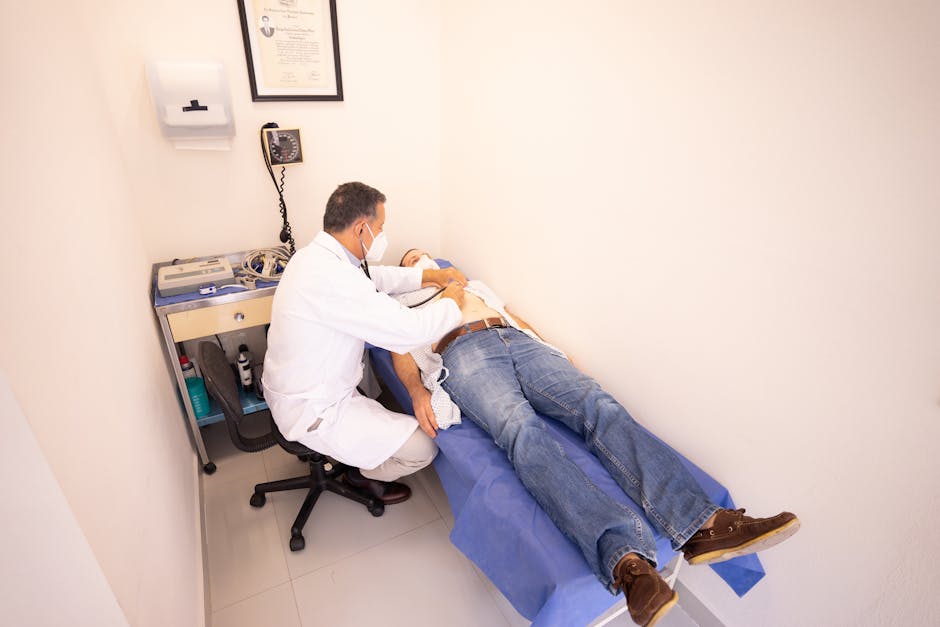
Crohn’s Disease vs Ulcerative Colitis: Inflammatory Bowel Disease
Understand the key differences between Crohn’s disease and ulcerative colitis.…
-

IBS Symptoms and Irritable Bowel Syndrome: Dietary Management
Discover effective dietary strategies for managing Irritable Bowel Syndrome (IBS)…
-

Menopause Symptoms: Hot Flashes, Night Sweats, and Mood Changes
Understand common menopause symptoms like hot flashes, night sweats, and…